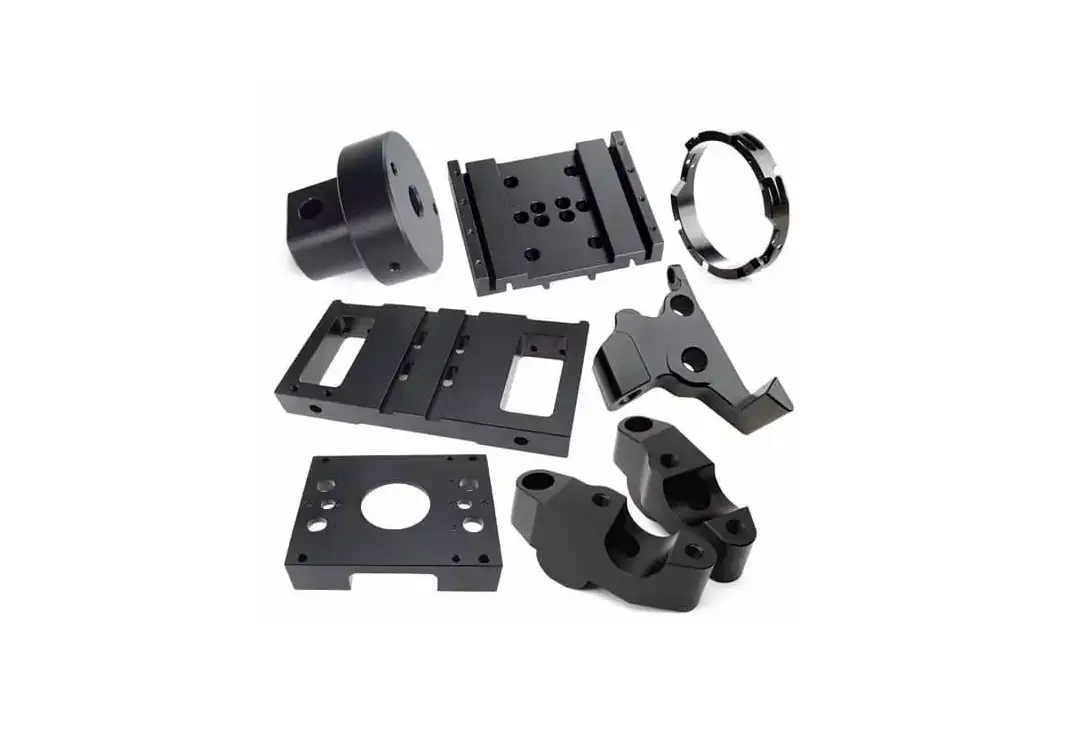
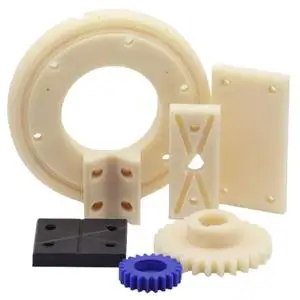
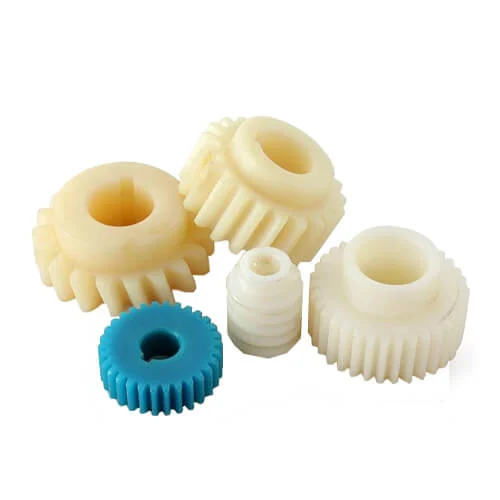
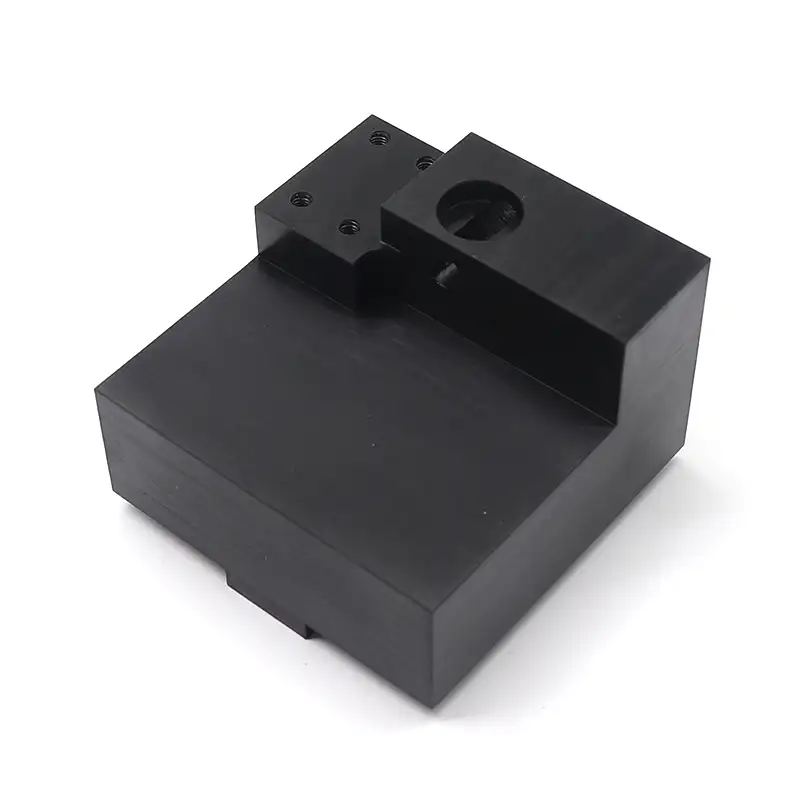
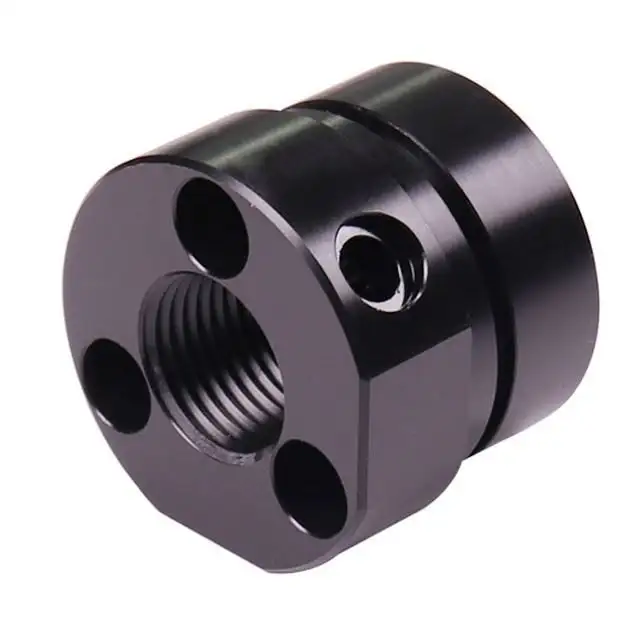
Nylon CNC Machined Parts
Quick Specifications
Material
Nylon (PA6/PA66)
Process
CNC Machining
Tolerance
±0.1mm
Lead Time
3-5 Days
MOQ
1 Piece
Surface Finish
Polishing, Coating
Product Overview
Nylon (Polyamide, PA6/PA66) is a versatile engineering thermoplastic renowned for its exceptional mechanical properties, including high tensile strength, excellent wear resistance, and outstanding impact toughness. With low friction coefficient and superior fatigue resistance, nylon performs exceptionally well in dynamic applications with continuous motion and load-bearing requirements. Its ability to operate quietly without lubrication makes it ideal for gears, bearings, and other mechanical components.
Our advanced CNC machining capabilities enable us to produce precision nylon components with excellent surface finish and dimensional accuracy. Using state-of-the-art CNC milling and turning centers, we manufacture complex gears, pulleys, bushings, wear strips, and custom mechanical parts that meet demanding industrial requirements. Our engineering team understands nylon's unique characteristics, including its moisture absorption properties and thermal expansion, implementing specialized machining strategies to ensure superior quality and consistent performance.
Nylon exhibits good chemical resistance to oils, fuels, and many solvents, making it suitable for automotive and industrial applications. PA66 offers higher mechanical strength and thermal resistance compared to PA6, while PA6 provides better impact resistance at low temperatures. Both grades can be machined to tolerances of ±0.1mm, with tighter tolerances achievable depending on part geometry. From rapid prototypes to large-scale production runs, we deliver high-quality nylon parts with fast turnaround and no minimum order quantity.
Technical Specifications
| Material | Nylon (PA6, PA66 - Polyamide) |
| Process | CNC Milling, CNC Turning, 3-Axis, 4-Axis, 5-Axis Machining |
| Tolerance | ±0.1mm standard, tighter tolerances available on request |
| Surface Finish | Polishing, Coating, Texturing |
| Tensile Strength | PA6: 80-100 MPa, PA66: 85-110 MPa |
| Operating Temperature | PA6: -40°C to +120°C, PA66: -40°C to +150°C |
| Size Range | Up to 500mm x 500mm x 500mm |
| Lead Time | 3-5 days for prototypes, 7-14 days for production |
| MOQ | 1 piece (no minimum order quantity) |
| Certifications | ISO 9001:2015, ISO 14001:2015 |
Applications
Gears & Pulleys
Precision gears, pulleys, sprockets, and transmission components requiring high wear resistance and low friction
Bearings & Bushings
Wear-resistant bearings, bushings, washers, and sleeve bearings for rotating and sliding applications
Automotive
Engine components, fuel system parts, wheel bearings, and under-hood components
Industrial Machinery
Conveyor components, wear strips, guide rails, rollers, and machine parts
Electronics
Insulators, connectors, cable ties, and structural components for electronic devices
Consumer Products
Tool handles, sports equipment, hardware fittings, and consumer product components
Manufacturing Capabilities
CNC Machines
Precision Tolerance
Days Delivery
MPa Tensile Strength
Quality Assurance
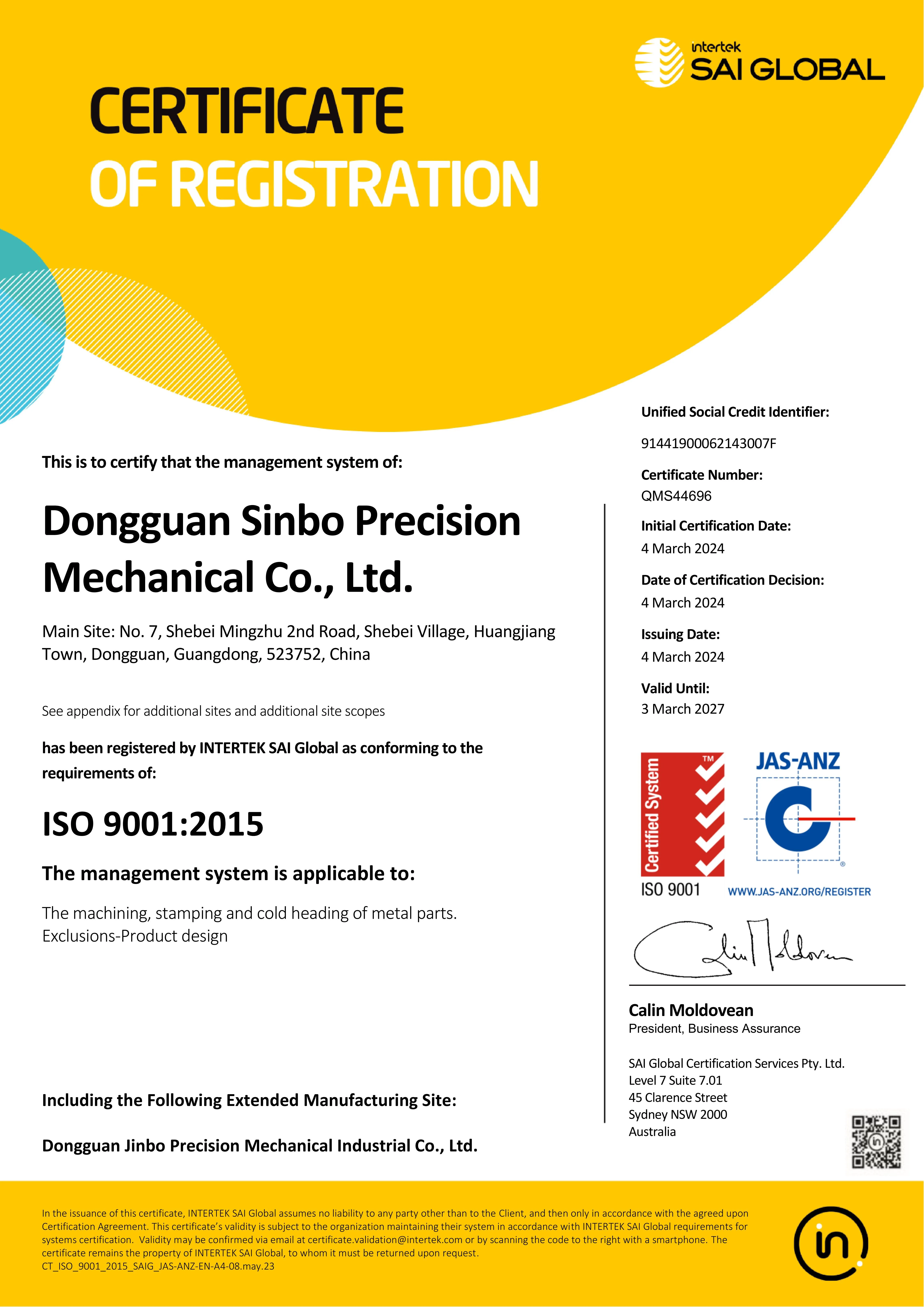
ISO 9001:2015
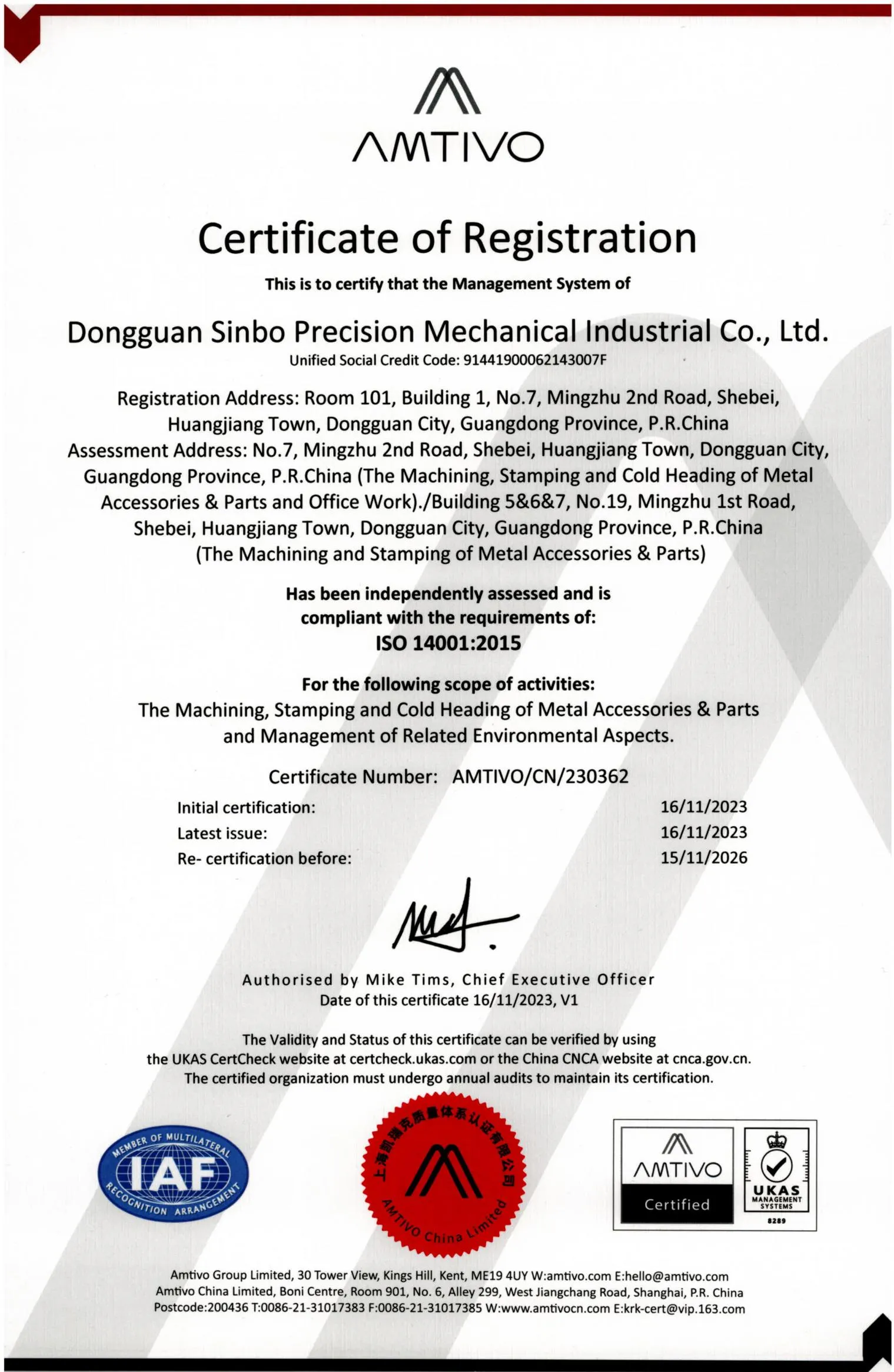
ISO 14001:2015

RoHS Compliant
Frequently Asked Questions
What is the difference between PA6 and PA66 nylon?
PA6 (Nylon 6) and PA66 (Nylon 66) are both polyamides with similar properties but key differences. PA66 offers higher mechanical strength, better thermal resistance (up to 150°C vs 120°C), and lower moisture absorption. PA6 provides better impact resistance at low temperatures and is slightly easier to machine. The choice depends on your specific application requirements for temperature, strength, and environmental conditions.
Does nylon require lubrication in moving parts?
Nylon has a low friction coefficient (0.2-0.4) and good wear resistance, allowing it to operate without lubrication in many applications. However, adding lubrication can significantly extend service life, especially in high-speed or high-load applications. Nylon's self-lubricating properties make it quieter than metal alternatives, which is why it's widely used in gears and bearings.
How does moisture absorption affect nylon parts?
Nylon is hygroscopic and absorbs moisture (1.5-3% in ambient conditions), which causes dimensional changes (swelling) and reduces mechanical properties slightly. Our engineering team accounts for this during design and machining. Parts can be pre-dried or conditioned before precision machining to ensure dimensional stability. For critical applications, we recommend PA66 which has lower moisture absorption than PA6.
What tolerances can you achieve on nylon parts?
Our standard tolerance for nylon parts is ±0.1mm, suitable for most mechanical applications. Tighter tolerances up to ±0.05mm are achievable depending on part geometry and requirements. Due to nylon's flexibility and thermal expansion characteristics, we recommend consulting with our engineering team for critical tolerance requirements to ensure optimal design and machining approach.
Is nylon suitable for outdoor applications?
Standard nylon has moderate UV resistance and can degrade with prolonged outdoor exposure. For outdoor applications, we recommend UV-stabilized nylon grades or applying protective coatings. Black nylon typically has better UV resistance than natural colors. For critical outdoor applications, consider weather-resistant modifications or alternative materials designed for extended UV exposure.
Can nylon be used in high-temperature environments?
PA66 nylon has a continuous use temperature up to 150°C, while PA6 is suitable up to 120°C. For short-term exposure, both grades can withstand higher temperatures. Above these temperatures, thermal degradation may occur. For high-temperature applications exceeding 150°C, we recommend considering high-temperature plastics like PEEK, PPS, or PTFE which offer better thermal stability.
Related Products
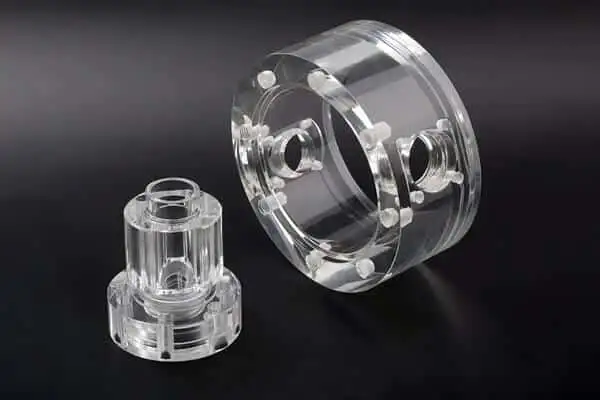
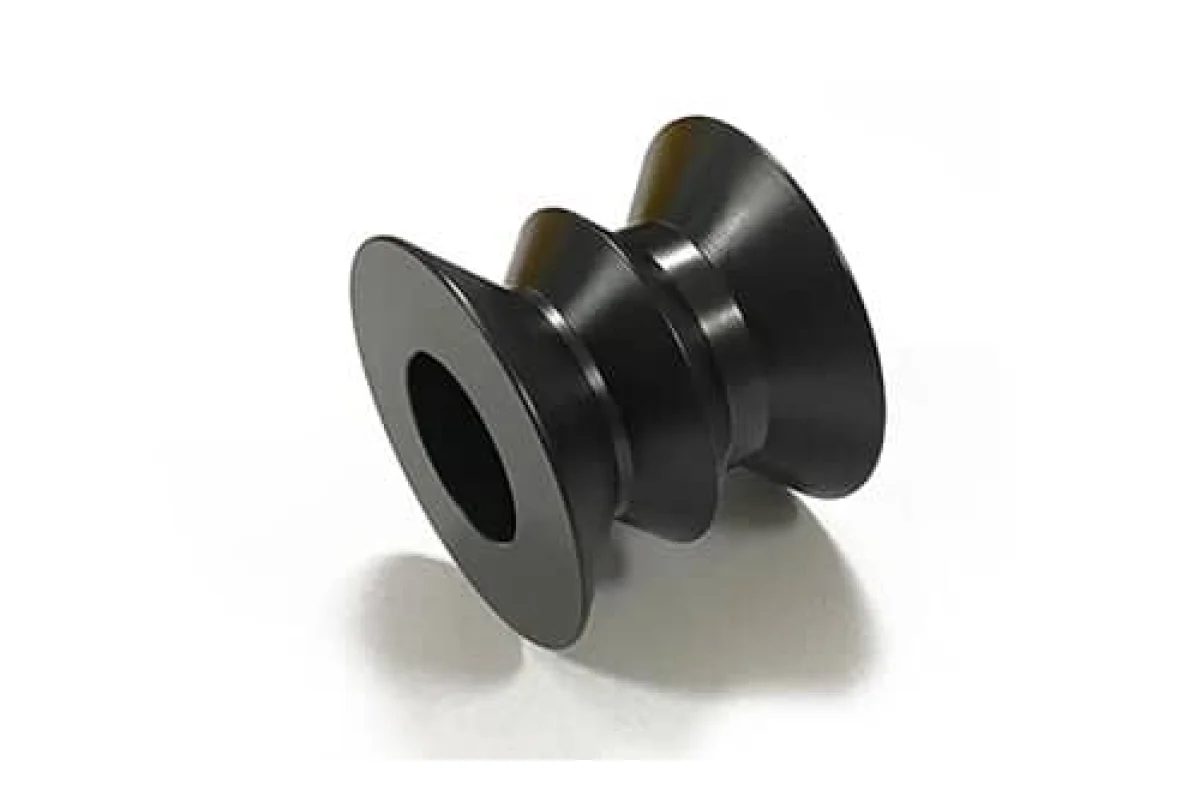
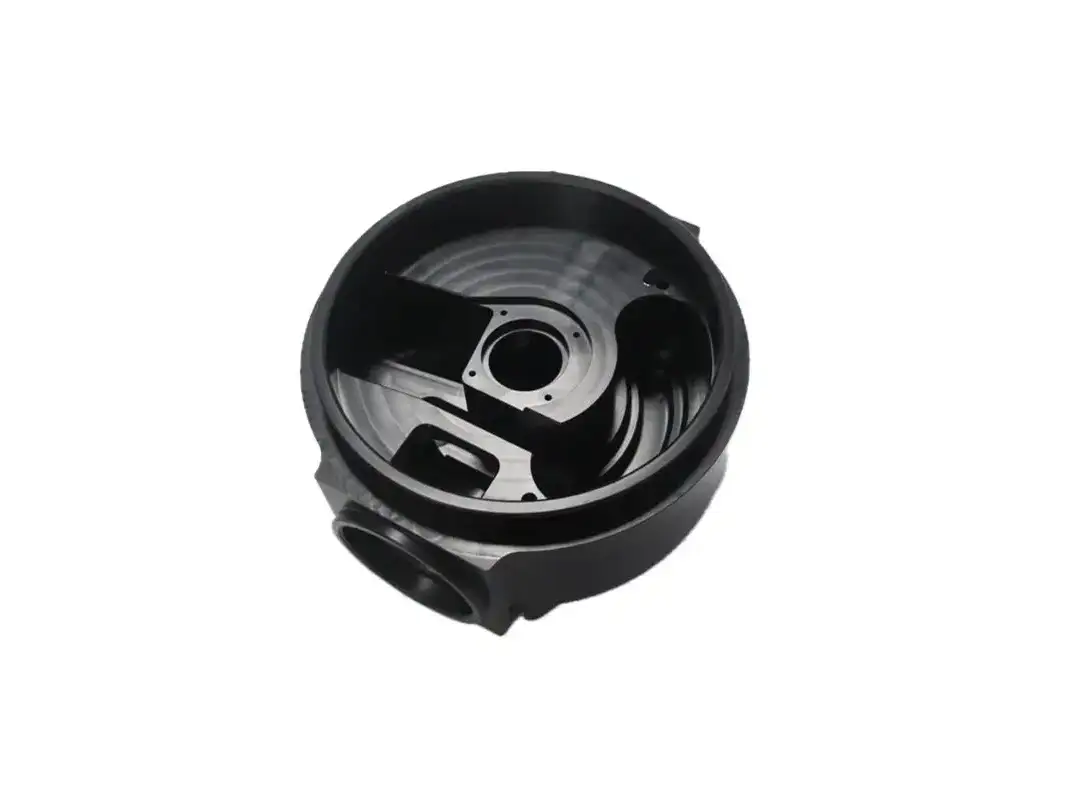
Delrin Machined Components
Low friction engineering plastic with excellent dimensional stability
Learn More →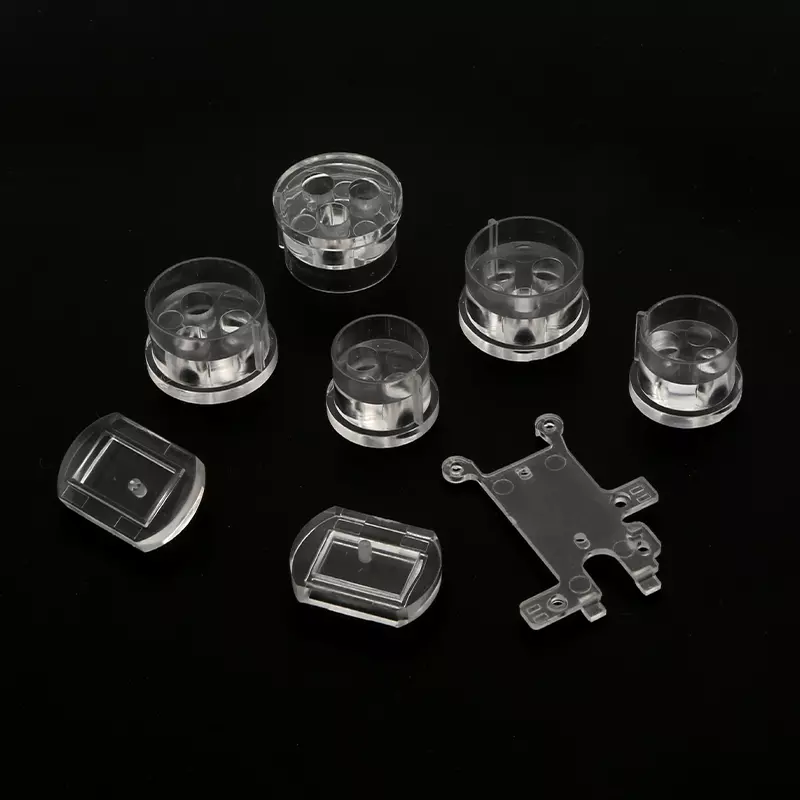
Ready to Get Started?
Get a free quote within 24 hours. No minimum order quantity required.